
When organization becomes critical
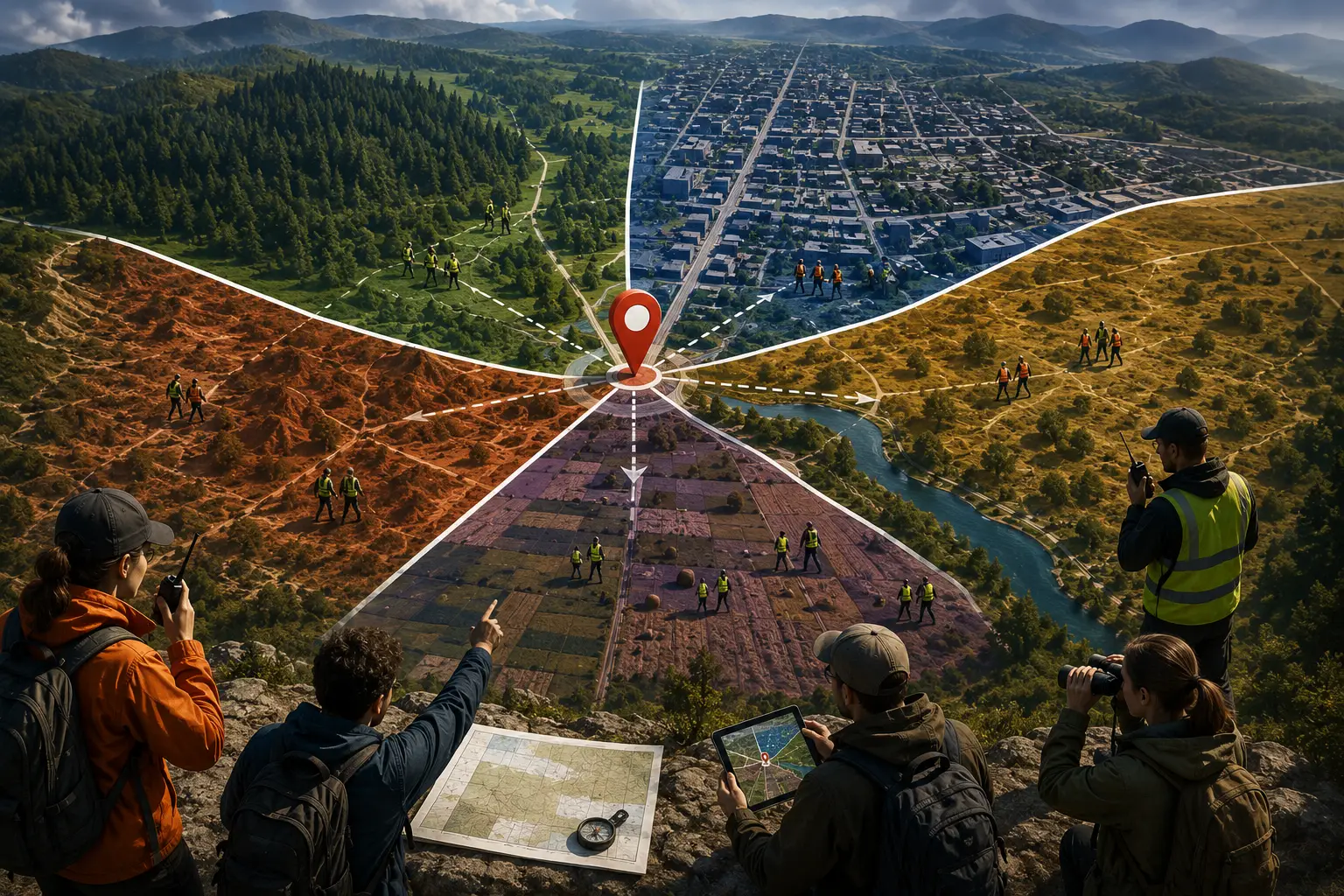
A person goes missing suddenly.How to divide search zones for volunteers becomes critical immediately. Volunteers arrive quickly from different areas. Energy builds immediately. Without structure, chaos follows. Search efforts lose efficiency fast. Coordination becomes essential.
How to Divide Search Zones for Volunteers: the foundation of organized searches
How to divide search zones for volunteers determines search effectiveness. Large areas create confusion quickly. Defined sectors improve coordination. Clear boundaries reduce overlap. Organized movement saves valuable time.
Why search zones matter
Search zones create structure during crisis. Volunteers understand responsibilities clearly. Teams move with direction. Coverage becomes measurable and efficient.
Start with the last known location
Every search begins from one point. Last known location guides initial planning. Nearby areas receive first attention. Distance expands gradually afterward.
Divide areas by size and terrain
Different environments require different approaches. Forests slow movement significantly. Urban streets allow faster coverage. Open fields require wider spacing. Terrain shapes sector size.
Use maps for visual coordination
Maps simplify communication greatly. Volunteers understand boundaries quickly. Visual sectors prevent confusion. Marked routes improve tracking.
Keep zones manageable
Large sectors overwhelm volunteers quickly. Small zones improve attention. Thorough searching matters more than speed. Manageable sectors increase accuracy.
Assign teams carefully
Volunteers should work in groups. Teams improve safety and communication. Experienced leaders guide each sector. Structure reduces mistakes.
Track completed sectors
Every completed area needs documentation. Mark searched zones clearly. Avoid duplicate searching later. Tracking improves efficiency.
Prioritize high-risk areas
Water sources require immediate attention. Roads increase danger significantly. Abandoned structures create risk. High-priority zones need early focus.
Communication keeps sectors effective
Teams must stay connected constantly. Radios or phones provide updates. Coordinators redirect volunteers quickly. Clear communication prevents gaps.
Adjust zones during the search
Search conditions change constantly. New information alters priorities. Teams may need reassignment. Flexibility improves results.
Avoid common mistakes
Unclear boundaries create overlap. Large uncontrolled groups reduce efficiency. Poor communication causes confusion. Structure prevents wasted effort.
Why leadership matters
Strong leadership maintains coordination. Volunteers trust organized systems. Clear direction improves morale. Confidence increases effectiveness.
Community participation strengthens coverage
More volunteers increase visibility. Structured participation creates better coverage. Organized effort produces stronger outcomes.
Conclusion
How to divide search zones for volunteers shapes search success directly. Organized sectors improve coordination and visibility. Structure prevents confusion during crisis. Clear planning saves valuable time. Every zone carries importance.
#abduction #abuse #America #California #donate #Florida #found #global issue #gps tracking #human trafficking #kidnapping #lost #Lost cat #lost dog #Missing Kids #missing people #nfound #nonprofit organizations