What to Do When an Elderly Person With Dementia Goes Missing
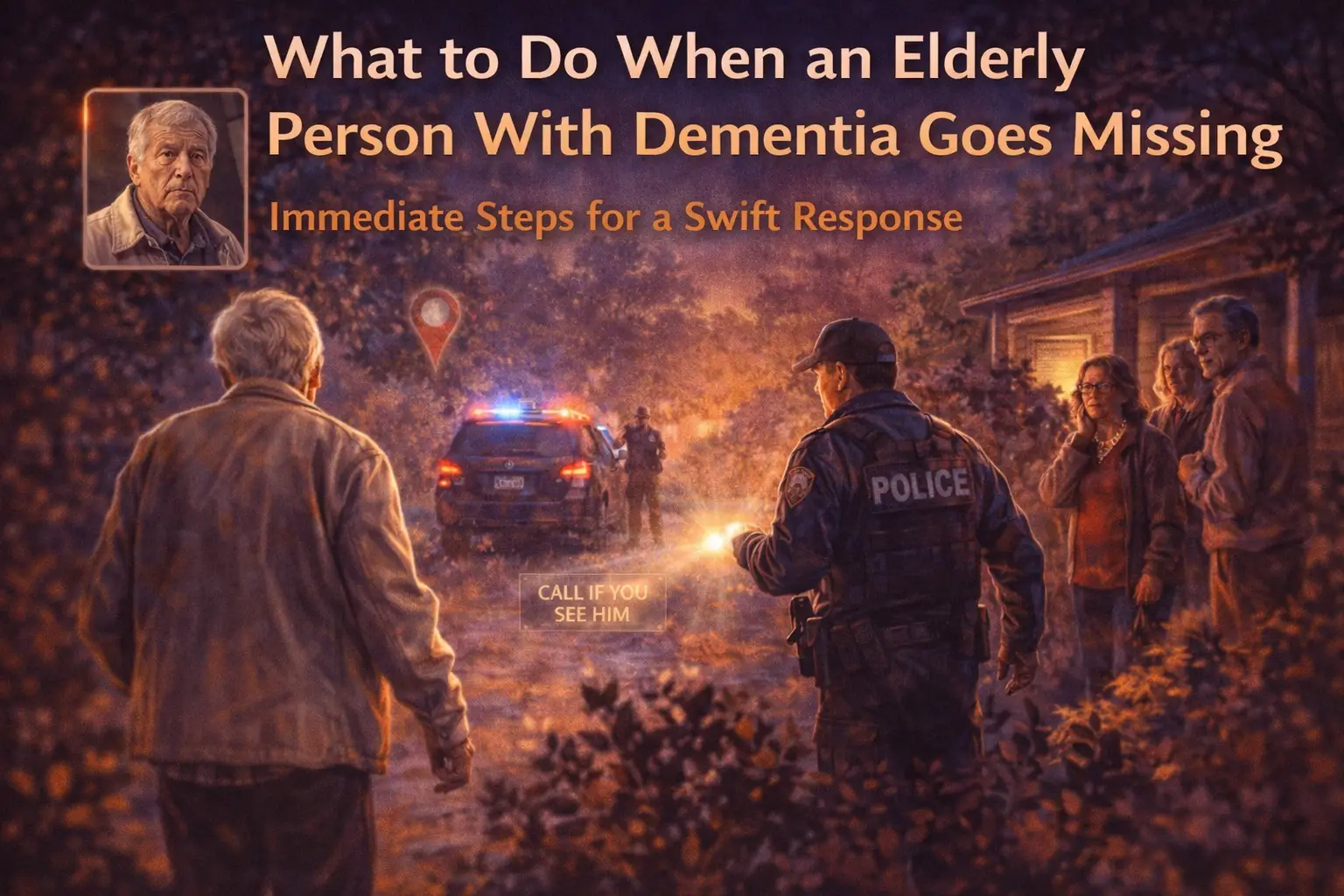
When routine suddenly breaks
What to do when an elderly person with dementia goes missing becomes urgent instantly. A familiar routine stops without warning. A door opens quietly. A person walks outside alone. Minutes pass without concern. Then absence becomes clear. Time begins working against safety.
Elderly Person With Dementia Goes Missing. Why dementia increases risk
Memory loss changes perception quickly. Familiar places feel unfamiliar suddenly. Direction becomes unclear without warning. A person may try returning home. That home may no longer exist. Fear replaces orientation. Movement becomes unpredictable.
The first minutes matter most
What to do when an elderly person with dementia goes missing starts immediately. Do not wait for return. Begin searching right away. Check nearby rooms and spaces. Look outside the home quickly. Time defines outcomes.
Search close before searching far
Most missing seniors stay nearby. They walk short distances first. Check yards, streets, and nearby paths. Look in familiar locations. Check places linked to past routines. Early focus improves chances.
Call authorities without delay
Contact police immediately. Explain dementia condition clearly. Provide medical details if known. Share last known location precisely. Early reporting activates resources fast.
Use clear and simple descriptions
Provide accurate physical description. Include height, weight, and clothing. Mention medical condition clearly. Share recent photos immediately. Clear details guide search teams.
Alert neighbors quickly
Neighbors often notice movement early. Inform nearby homes immediately. Ask for quick visual checks. Community awareness expands coverage instantly.
Secure the environment
Prevent further movement risks. Close doors and exits. Assign someone to stay at home. Keep communication organized. Structure reduces confusion.
Use technology if available
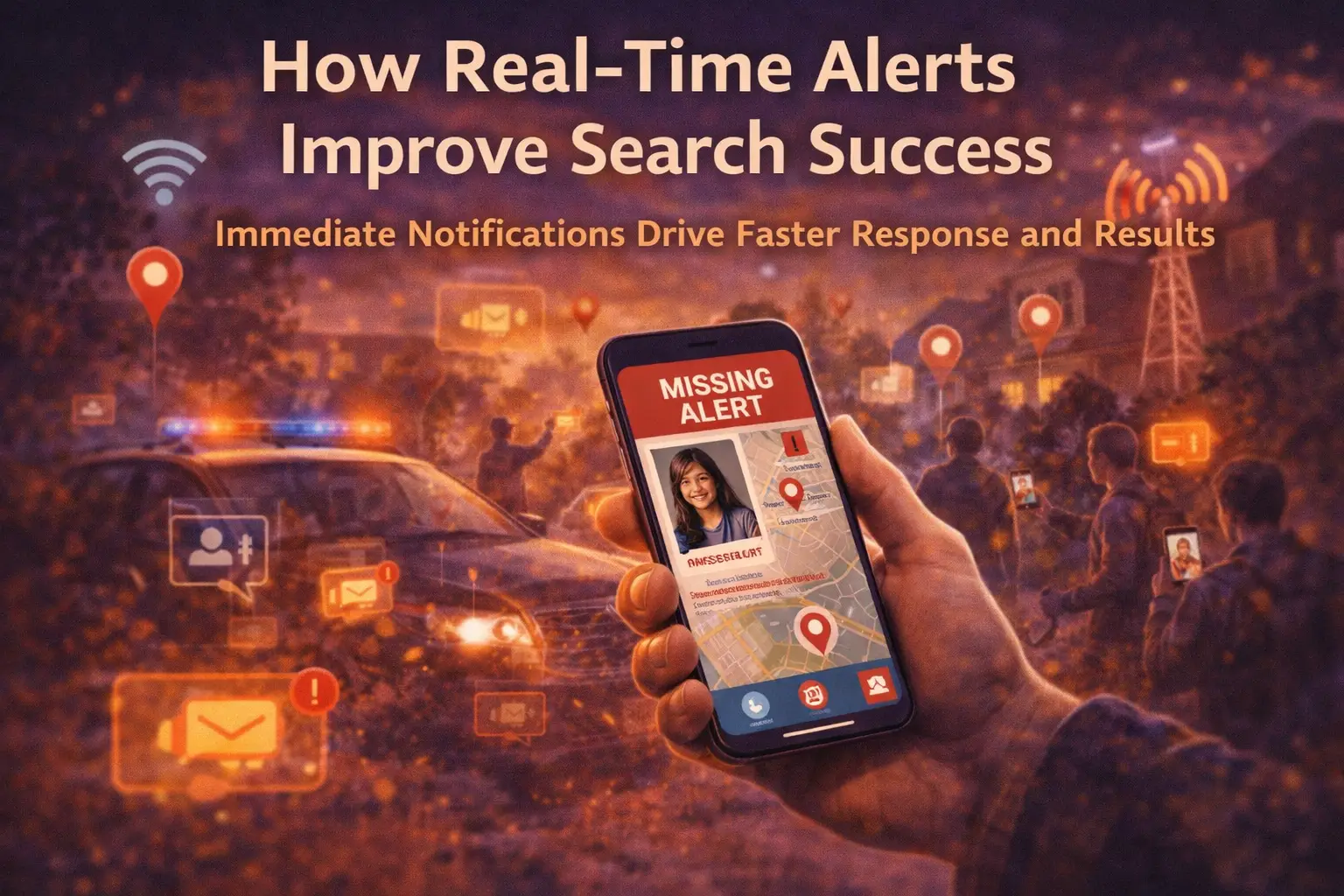
GPS trackers provide location instantly. Phones may show last signals. Cameras may reveal direction. Technology supports early clues.
Focus on safety risks
Water sources increase danger. Roads create immediate risk. Weather affects seniors quickly. Prioritize these areas first.
Avoid common mistakes
Do not assume voluntary absence. Do not delay reporting. Avoid spreading unverified information.
Keep communication clear
Assign one contact person. Share updates accurately. Avoid conflicting information. Clarity supports coordination.
Why community matters
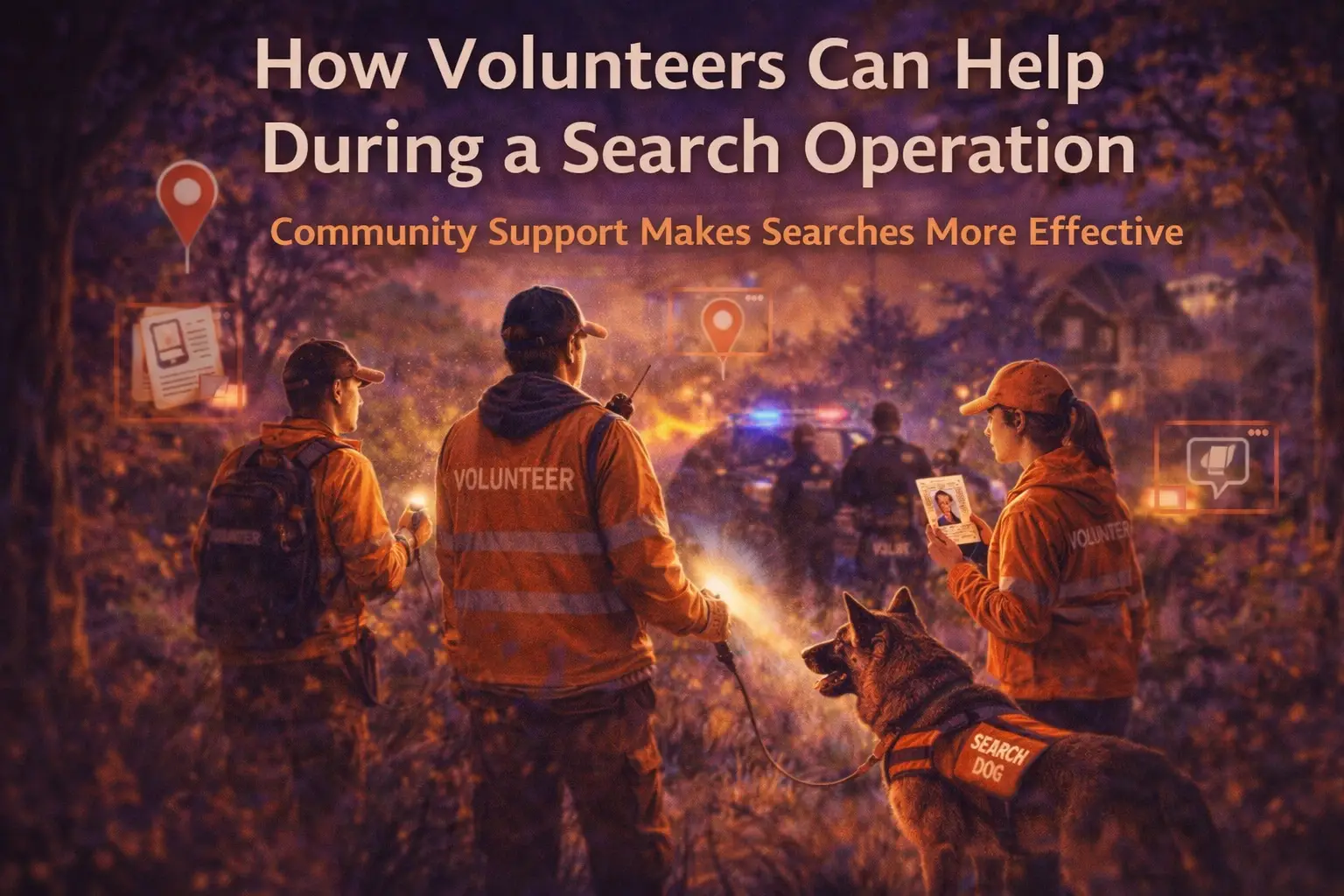
Search success depends on awareness. More people increase visibility. Visibility brings faster results. Collective action strengthens response.
Stay persistent
Searches require consistency. Continue checking key areas. Follow leads carefully. Maintain structured effort.
Conclusion
What to do when an elderly person with dementia goes missing requires immediate action. Speed, structure, and clarity protect lives. Early response improves recovery chances. Organized effort prevents escalation. Every minute carries weight.