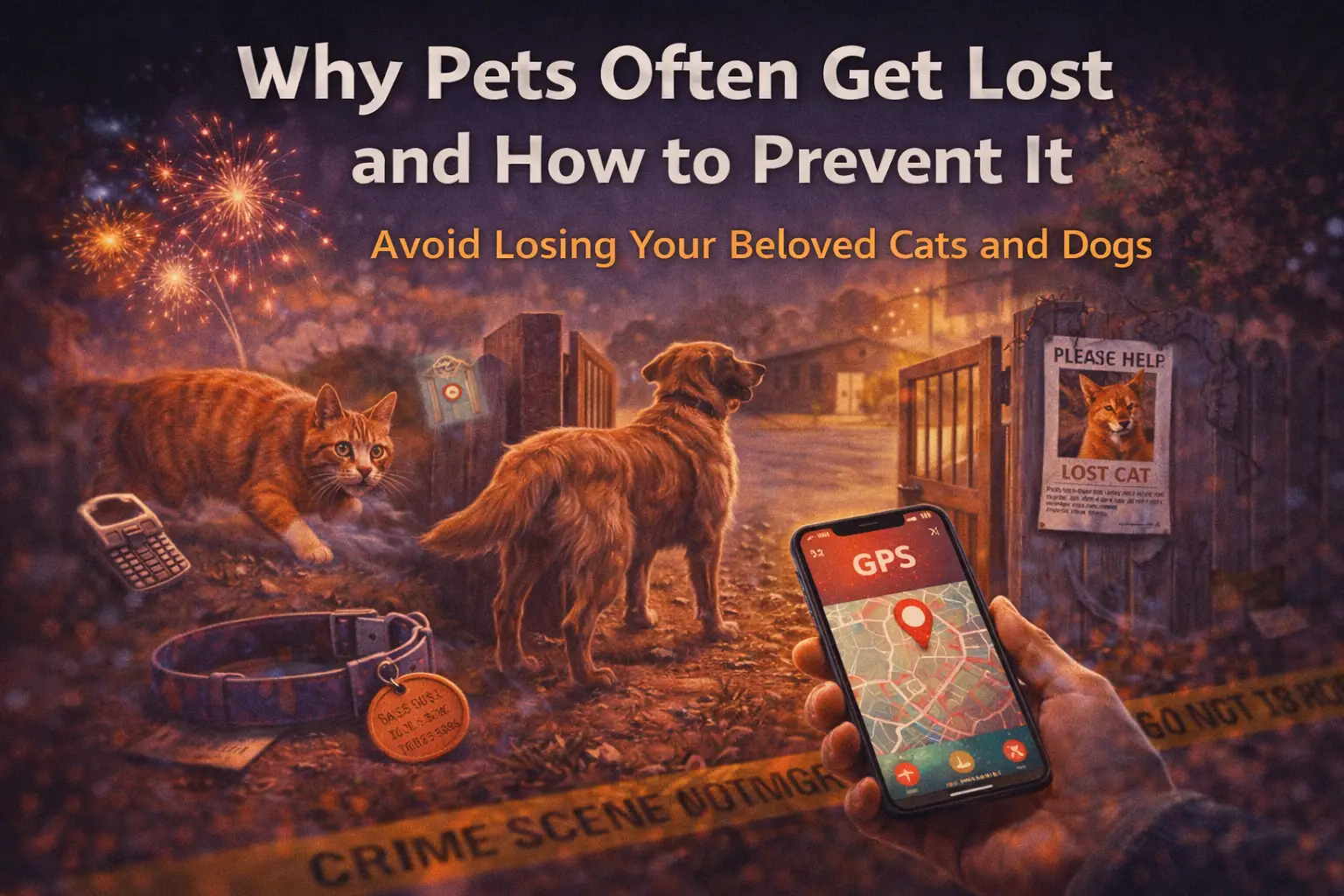
Why pets often get lost surprises many owners. A calm day suddenly becomes stressful. A door opens briefly. A dog notices a new scent. A cat sees movement outside. Curiosity drives the first step away. Instinct guides the next steps. Owners often notice absence too late. Small moments create large searches.
Why pets often get lost during exploration reflects strong instincts. Young animals explore constantly. Every sound invites investigation. Every scent suggests opportunity. A yard no longer feels large enough. A nearby street becomes interesting. Curiosity pushes animals farther away.
Territory confusion often follows exploration. Cats expand boundaries gradually. Dogs chase scents across surprising distances. Movement creates distance quickly. Once distance grows, direction disappears. Panic replaces curiosity quickly.
Fear pushes animals into uncontrolled movement. Panic removes sense of direction. Dogs run blindly during storms. Cats hide far from familiar territory. Minutes of panic create miles of distance.
Home Environments Create Hidden Escape Routes
Many pets escape through ordinary household moments. A visitor leaves the door open briefly. A delivery arrives unexpectedly. A child forgets to close a gate. Those seconds create opportunity.
Broken fences invite silent exits. Loose boards allow dogs to dig underneath. Small gaps allow cats to slip outside. Windows without screens create climbing routes. Garages create unnoticed pathways.
Animals rarely plan escape. Opportunity appears unexpectedly. Instinct handles the rest.
Travel and Relocation Confuse Pets
Moving homes disrupts animal orientation. Pets rely heavily on territory memory. Familiar landmarks disappear immediately. New smells create confusion.
Dogs often search for previous homes instinctively. Cats attempt returning to old territories. Long journeys begin during these attempts. Owners underestimate relocation stress frequently.
Temporary stays also create confusion. Hotels, relatives’ homes, and rentals feel unfamiliar. Pets explore unknown surroundings quickly.
Lack of Identification Delays Recovery
Identification determines recovery speed dramatically. Many lost pets lack visible tags. Collars sometimes fall off during escape. Phone numbers change without updated tags.
Microchips solve many identification problems. Shelters scan microchips immediately. Veterinary clinics access owner data quickly. Microchips provide permanent identification.
Visible tags still matter greatly. Neighbors can return pets immediately. Quick contact prevents long searches.
Prevention Reduces Disappearance Risk
Prevention remains the strongest protection. Responsible preparation reduces wandering risk. Owners must secure home environments carefully.
Training also improves safety. Dogs must respond instantly when called. Recall commands reduce runaway behavior. Consistent training strengthens control outdoors.
Technology also improves protection today. GPS collars provide real-time location tracking. Smart tags send alerts when pets leave boundaries. Mobile apps allow quick monitoring.
Community Awareness Helps Recovery
Communities play important roles during pet searches. Neighbors often notice unfamiliar animals first. Local groups spread alerts rapidly. Online platforms amplify visibility instantly.
Photos help recognition greatly. Clear descriptions guide community attention. Coordinated awareness accelerates recovery dramatically.
Prevention Keeps Pets Safe
Why pets often get lost connects instinct, environment, and human oversight. Animals follow natural behavior patterns. Curiosity drives exploration constantly. Fear triggers sudden escape reactions.
Preparation transforms risk into protection. Identification speeds reunions dramatically. Secure environments prevent wandering opportunities. Training strengthens control during outdoor activity.
Technology now supports pet safety more effectively. GPS tracking shortens search time. Community awareness expands protection networks.
Small precautions today prevent stressful searches tomorrow. Responsible preparation keeps animals safe and close to home.