What to Do If You Find a Lost Person: Clear Actions That Save Lives
When an ordinary moment turns critical
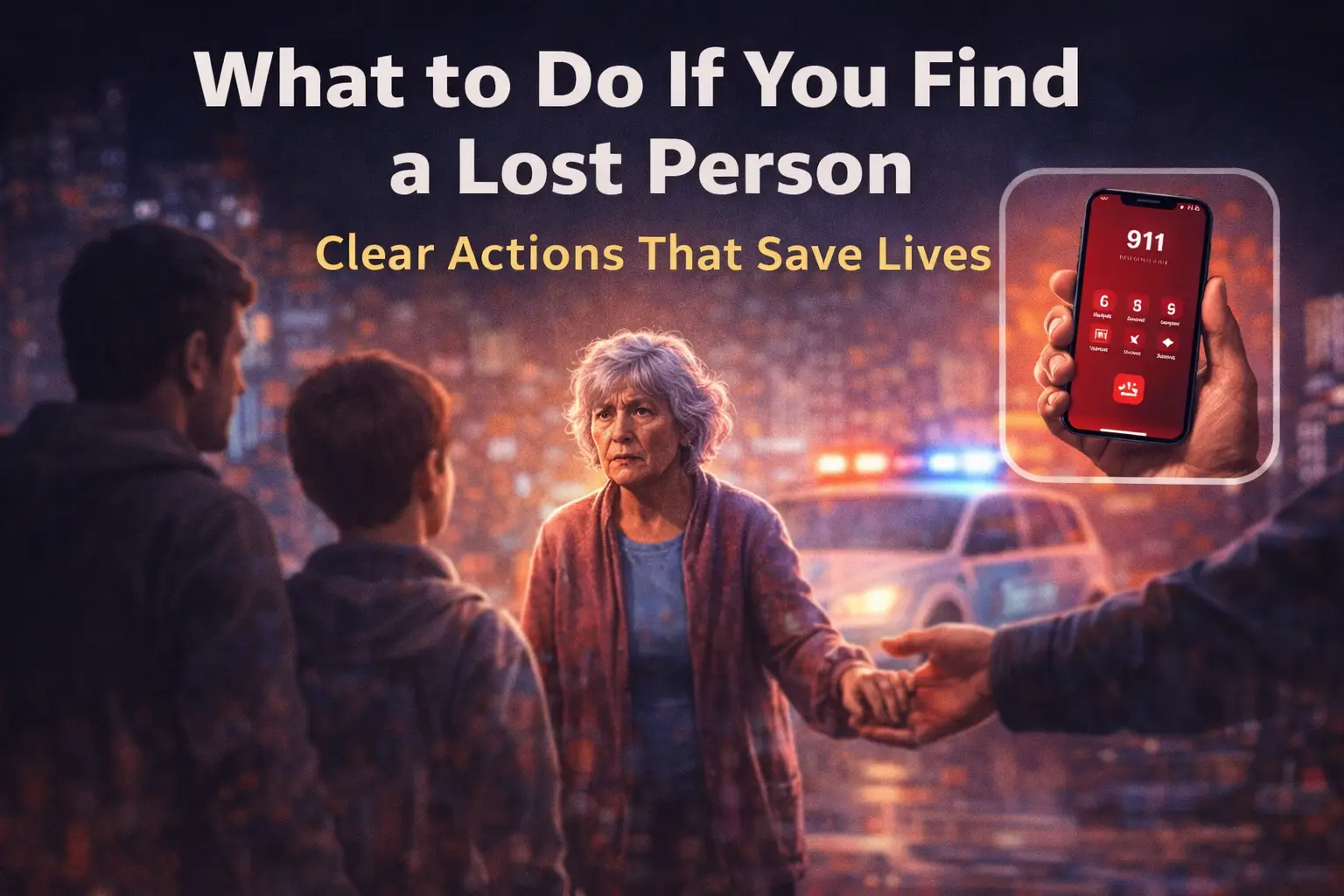
Finding a lost person often happens unexpectedly. What to Do If You Find a Lost Person? A normal day suddenly changes direction. Someone looks confused or distressed. Something feels wrong immediately. Instinct signals responsibility. Action now matters more than comfort. That moment can decide safety.
What to Do If You Find a Lost Person: Recognizing a person who may be lost
Lost people rarely ask for help directly. Confusion often hides behind silence. Body language shows hesitation or fear. Wandering without direction raises concern. Repeated questions signal disorientation. Inappropriate clothing suggests danger. Trust observation, not assumptions.
Why your first response matters
Early decisions shape outcomes significantly. Calm behavior reduces fear quickly. Panic escalates confusion fast. Clear actions create trust instantly. Your tone sets the situation. Safety begins with composure.
How to approach safely
Approach slowly and respectfully. Maintain personal space always. Use a calm voice. Avoid sudden movements. Ask simple, clear questions. Introduce yourself briefly. Explain your intention clearly. Respect dignity at all times.
What questions to ask
Start with basic information. Ask their name gently, ask where they came from, ask who they are waiting for. Avoid complex questions. Keep sentences short. Listen carefully to responses. Repetition may indicate confusion.
What not to do
Never grab or restrain them, never assume intoxication or intent, never argue about reality, never share personal opinions, never promise things you cannot control. Avoid confrontation entirely.
Call emergency services immediately if danger exists. Contact police for confused adults. Call medical services for distress signs. Children always require official involvement. Early calls improve outcomes dramatically.
Staying until help arrives
Remain present if possible. Keep them engaged calmly. Offer water if appropriate. Shield them from hazards nearby. Reassure without lying. Your presence reduces panic.
Communicating with responders
Share observations clearly. Describe behavior, not assumptions. Explain how you found them. Report exact location details. Stay available for questions. Accuracy helps responders act faster.
Why identification matters
Look for medical bracelets carefully. Check visible tags respectfully. Ask about identification gently. Never search aggressively. Let authorities handle verification.
Protecting dignity and privacy
Avoid filming or photographing them. Do not post images online. Do not share names publicly. Respect remains essential. Help should never humiliate.
After the handoff
Provide your contact information. Write details while fresh. Reflect on what helped. Learn from the experience. Preparedness grows through action.
Why ordinary people save lives
Most recoveries involve bystanders. Quick thinking changes endings. Awareness replaces fear. Responsibility belongs to everyone. One calm decision matters greatly.
Finding a lost person creates immediate responsibility. Your actions can restore safety. Clear steps prevent harm. Calm choices guide resolution. Acting correctly brings someone home.